Book Dragon: The Irresistible Pull of Mystery Novels. Why Can’t We Look Away?

There’s a unique thrill in turning the pages of a good mystery novel. A sense of urgency, a touch of danger, and the lingering question: What really happened? For generations, readers have been captivated by the puzzle-like structure and psychological depth of mystery stories. From classic whodunits to modern psychological thrillers, the genre continues to dominate bookshelves and bestseller lists alike.

But what is it about mystery novels that hooks readers and keeps them guessing long after the lights are out?


1. The Puzzle-Lover’s Paradise

At its core, a mystery novel is a puzzle waiting to be solved. It invites the reader to dive in and play detective along with the protagonists.

Readers immerse themselves into the narrative, sifting through clues, noticing red herrings, and piecing together the truth before the final reveal. There’s a deep satisfaction that comes from outsmarting the plot or, conversely, from being completely blindsided by a clever twist. Challenge becomes part of the experience, surprise a part of the fun.

With the expansion of mystery novels to include the cozy, romantic, fantastical, and science fiction, newer mystery readers find themselves in veritable ball pit of choices. Mysteries include an option for everyone now!


2. High Stakes and Tension

Mysteries thrive on tension.

A reader chooses if that tension is a murder investigation, a missing person, or a secret waiting to be uncovered. But, regardless, the stakes are always high.

Drawn into a web of suspense where danger lurks behind every chapter, the adrenaline rush readers received from following along is tangible. The ticking clock, the sense of urgency, the feeling that something isn’t quite right. All of this adds up to a genre where the experience as you read is hard to walk away from.


3. Characters with Secrets

Great mystery novels are rarely just about the plot. Character development, and overall world-building can become a “make or break” situation. In a mystery novel, the characters lead your narrative, and your readers, from start to finish. Your detectives need to be engaging. Your suspects secretive. Victims and side characters often come with their own secrets, flaws and motivations. A mystery world is one of intertwined narratives, these layered personalities deepening the intrigue.

Readers willingly jump into a world where everything and everyone has to be questioned. It’s not just what happened, but when, why, how, and who truly benefited.


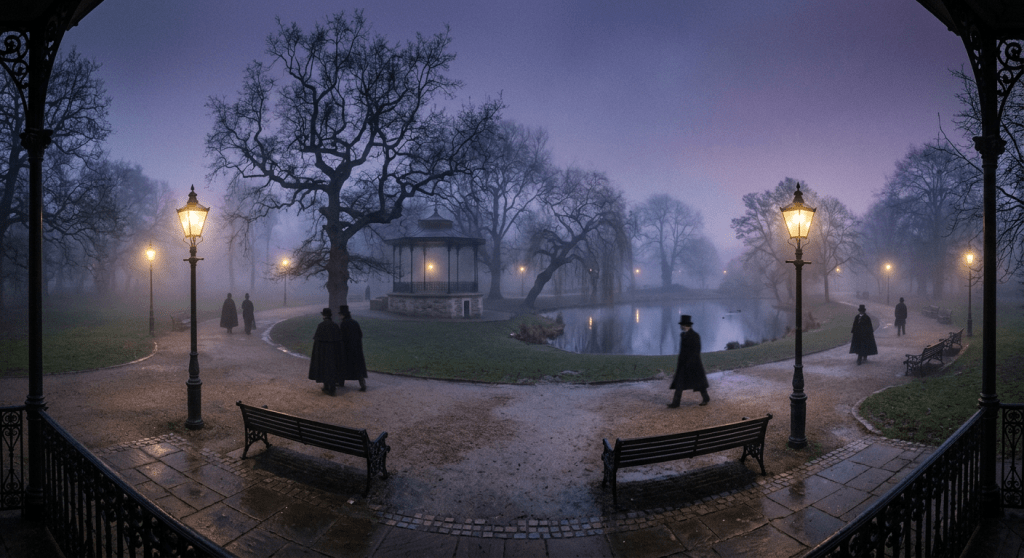
Misty park at dusk with Victorian-dressed people walking near pond and lampposts

4. A Safe Space for Fear

Much like horror or true crime, mysteries present readers a way to explore fear, danger, and the darker sides and psychology of human nature.

With the lack of real-life consequences, readers can safely explore the stakes from their own home. There is comfort in confronting chaos from a distance.

By the end of a well-crafted mystery, order is usually restored, and the villain is unmasked. It’s a cathartic journey through uncertainty to resolution. (Unless, of course, you’re like me, and get sucked into series after series. Here the villains come back with a vengeance, and as the reader, I jump in enthusiastically to see what happens next.)


5. Endings That Stick With You

Mysteries can leave lasting memories and confuse readers long after the novel is finished.

A great mystery ending lingers in the mind, sparking conversation, debate, and, in my case, multiple rereads. Discovering which clues you missed and which dots you connected correctly can be frustrating and rewarding for readers. And, who doesn’t like the thrill of being shocked? Few things are more memorable than a twist you didn’t see coming.

As evidence by their enduring legacy and inclusion in multiple genres, mysteries continue to be intricate stories with a massive amount of staying power.


Man in Victorian attire smoking a pipe on a misty cobblestone street

Final Thoughts

Mystery novels tap into some of our most primal curiosities. The human need to know, the thrill of discovery, the comfort of resolution.

They ask us to think critically, feel deeply, and step into the unknown. Whether it’s a cozy village mystery or a gritty noir thriller, these stories invite us into a world where questions demand answers and where turning the page might just bring us closer to the truth.

So, the next time you’re looking for a book that keeps you up past midnight, reach for a mystery. Just don’t be surprised if you start seeing clues everywhere.

Posted in Book Dragon | Tagged , , , , | Leave a comment

Book Dragon: Supporting Mental and Emotional Wellness Through Books. Reading as self-care.

In a world that still prioritizes productivity over peace, carving out time for yourself can feel like both a luxury and anxiety inducing. But, in the same way we make time for work, sleep, house chores, children, it’s also important to cultivate time for relaxation, meditation, and general wellness. As an avid reader since childhood, books have long established a safe space to go when the world feels chaotic.

Reading can be a powerful act of self-care, and its benefits go far beyond just entertainment. Whether you’re diving into fiction, exploring personal growth, or revisiting childhood favorites, the simple act of turning pages (or listening to voices outside yourself) can nourish your mental and emotional health in meaningful ways.

Woman reading book in armchair beside large window with forest view

Reading Reduces Stress

Multiple studies have shown that reading for just a few minutes can reduce stress levels by significant amounts. These can be more effective than listening to music, going for a walk, or having a cup of tea. The reasoning is fairly simple. Reading forces you to slow down and focus. Your breathing evens out. Your heart rate slows. Your nervous system settles.

In a way, reading becomes its own kind of meditation. Instead of clearing your mind into nothing, you fill it with story, imagination, or insight.

Fiction Builds Empathy and Emotional Intelligence

Getting lost in a novel isn’t just an escape, it’s also a way to build emotional resilience.

Neuroscientists have found that literary fiction in particular activates parts of the brain involved in empathy and emotional processing. Your brain loves to think of characters in a book as people you know. That’s why your favorite books become so comfortable. It’s why you cry at the struggles of fictional characters or celebrate their triumphs both in personal growth and against outside adversaries. Following characters through their own lives immerses you into alternative perspectives.

This translates into real life as readers often develop a deeper sense of compassion for others. Empathizing with a protagonist’s struggle, also impacts the ways in which you envision your own actions, struggles and impact on those around you.

Reading Helps You Sleep Better

Woman sitting barefoot on a cushioned bench reading a book in a warmly decorated room with plants and soft lighting

Establishing a nighttime reading ritual (ideally away from screens) can help signal to your body and brain that it’s time to wind down. As mentioned, reading has the ability to slowly move you into an almost meditative state from a physical and mental perspective.

Ten to fifteen minutes of reading before bed can ease the transition into sleep, especially if you’re reading something calming or familiar.

The caveat to this is obviously what you choose to read. A suspenseful thriller or emotionally intense novel has the potential of creating racing thoughts rather than relaxation. They’re better for daytime.

Personally, I can get very engrossed in a story, so I save my favorite books for nighttime reading entirely. This way, I’m putting down familiar stories and characters, and I find it easier to make the “just one more chapter” thing a reality rather than a useless mantra.

Books Offer Comfort During Difficult Times

Grief, anxiety, burnout, heartbreak.

Books can’t erase them, but they can help you process, feel less alone, and find meaning. Whether it’s poetry that puts your feelings into words or memoirs that mirror your journey, reading during tough times can be deeply therapeutic.

I find audiobooks particularly helpful during these moments. Listening gives my brain a space to wander, allowing for a brief moment of respite from the chaos. But the audio playback also fills the silence. It presents a balance between doing something but also allowing rest at the same time.

Reading Encourages Mindful Solitude

Alone time doesn’t have to feel lonely. Reading is one of the best ways to enjoy solitude with intention. It provides you with a sense of connection whether to ideas, language, or human experience. Reading alone also gives you space to be with yourself.

It removes the pressure to “perform” that often comes with social interaction. You don’t have to be anyone else while reading. You just are.

You Choose What Feeds You

Wellness is deeply personal. What feels nourishing to one person might feel heavy to another. That’s the beauty of reading. You get to curate your reading life to support your needs.

Need escape? Pick up fantasy.

Need grounding? Try nonfiction.

Need inspiration? Reach for memoirs or essays.

There’s no right or wrong in reading. Just what helps you feel more like yourself.

Turn it into a ritual that speaks to you. Always make a cup of tea or a snack. Grab your favorite pjs. Kick your feet up on a park bench. Find your favorite table in a coffee shop on a Sunday afternoon. Setting time/space to intentionally escape can work wonders on practicing wellness for yourself.


Final Thought: Reading Is a Gentle Revolution

In a noisy, fast-moving world, reading is a quiet rebellion. It says, “I am allowed to slow down. I am allowed to take care of my mind and spirit.” Whether you’re on page one or halfway through a series, whether you read every day or only when life allows, you’re participating in something meaningful.

So next time you pick up a book, don’t think of it as time off. Think of it as time for your healing, your joy, your peace.

Because reading isn’t just about turning pages, it’s about turning inward. And sometimes, that’s the most powerful wellness practice of all.


What book has supported your wellness journey? Share your story below and help others discover their next source of comfort or clarity.

Posted in Book Dragon | Tagged , , , , , | Leave a comment

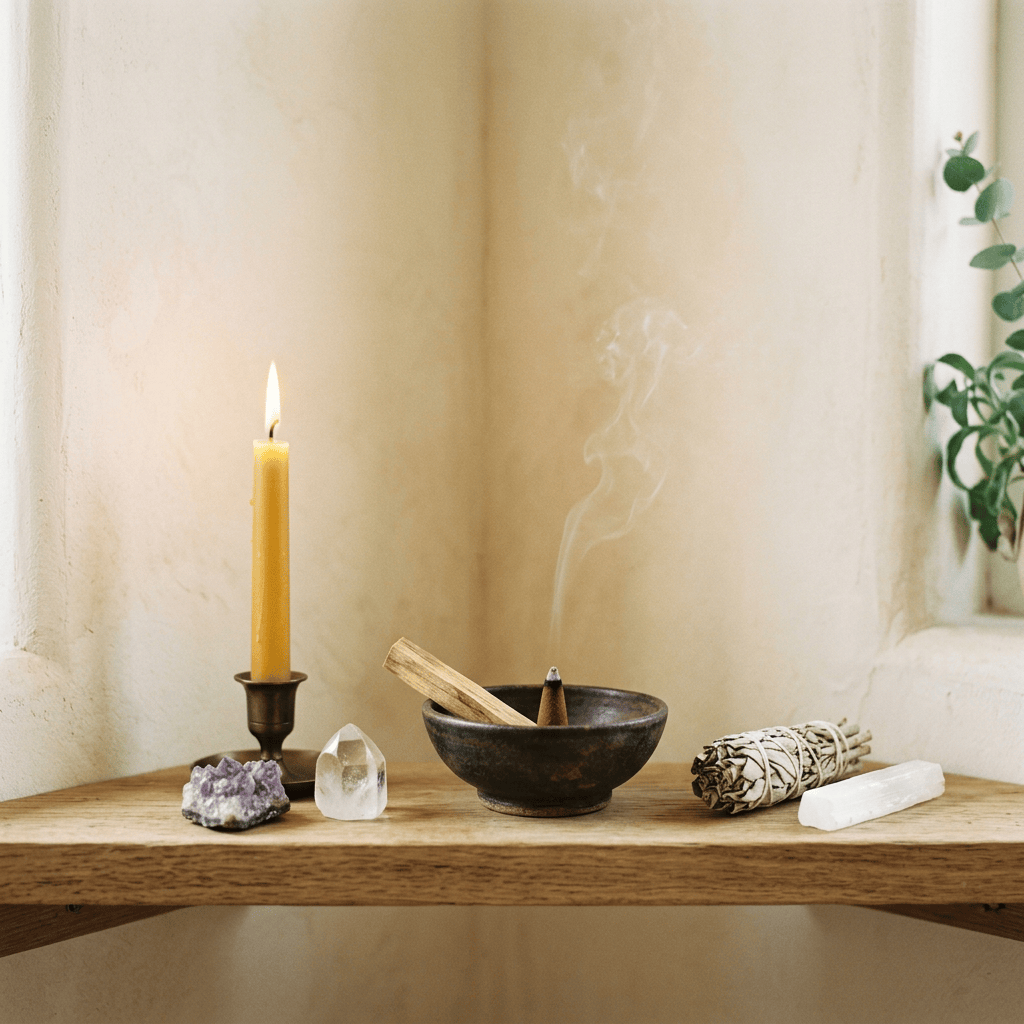
Toil & Trouble: Beginner Witch Series – How to Craft Your First Altar

🌙 🔮

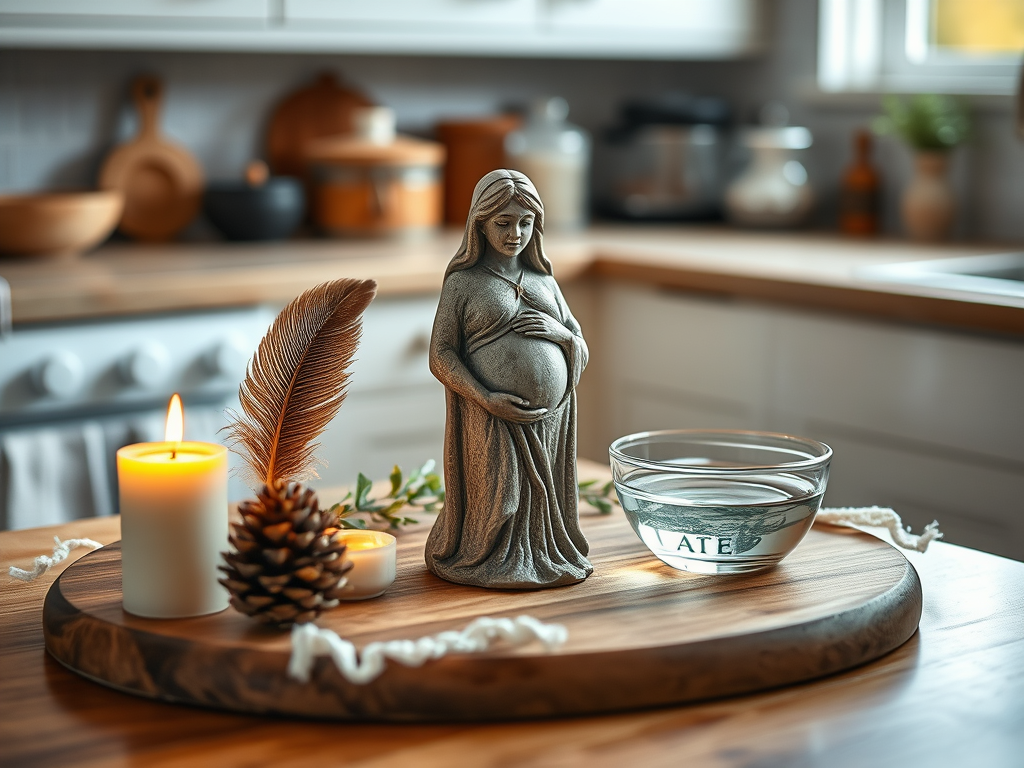
So, you’ve taken some first steps into witchcraft, and you’re ready to carve out a sacred space or perhaps your very own altar. Whether it’s tucked in a quiet corner or spread across an entire table, your altar is a powerful place to connect with your magic, focus your energy, and help integrate your practice into your every day.

Let’s walk through the process of building your first altar with no pressure, no perfectionism, just a space that is authentically you and intentionally magical.


🧹 What Is an Altar?

An altar is (under normal definitions) a dedicated space where you center your spiritual practice in some way. Think of it as a personal portal. One that is part devotional space, part energetic anchor. Altars have a variety of uses, and many are specific to the practitioner, which is why it’s essential to think of an altar as your home for your practice. Altars are commonly used for:

  • Daily rituals or meditations
  • Spellwork, rituals and intention setting
  • Honoring deities, ancestors, elements or spirits
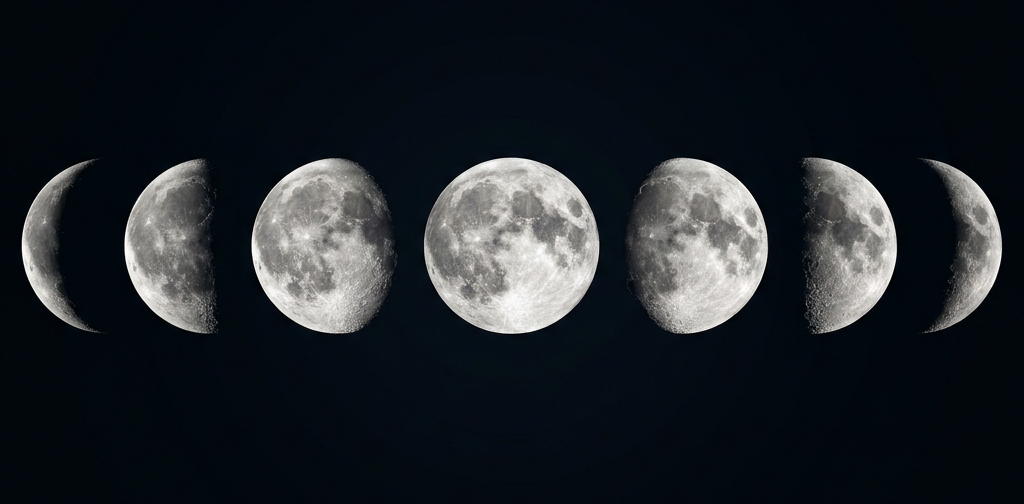
  • Celebrating the changing seasons, sabbats, esbats and moon phases
  • Just feeling grounded and magical

🌿 Step 1: Define and Find Your Space

You don’t need a full room, or even a full table (though if you have one, amazing!). You can use:

  • A small space on a bookshelf
  • A corner of a dresser or desk
  • A single tray you can tuck away when not in use
  • A windowsill
  • A fallen tree stump in the backyard
  • A jewelry box or small tin box (Altoids tins are GREAT for teeny, discreet altars. Especially for inside your car, or travelling)
  • A cloth, or small bag you pull out when needed

This is your space. Choose somewhere that feels private, safe, easy to access. Nowhere is it written that your altar needs to be over the top and flashy. Choose what feels right for you whether that’s one main altar, or a dozen small ones. Personally, I have three to four altars at any given time:

I considered my stove (the hearth of my home) an altar and bring in a lot of spiritual practice into my everyday cooking.

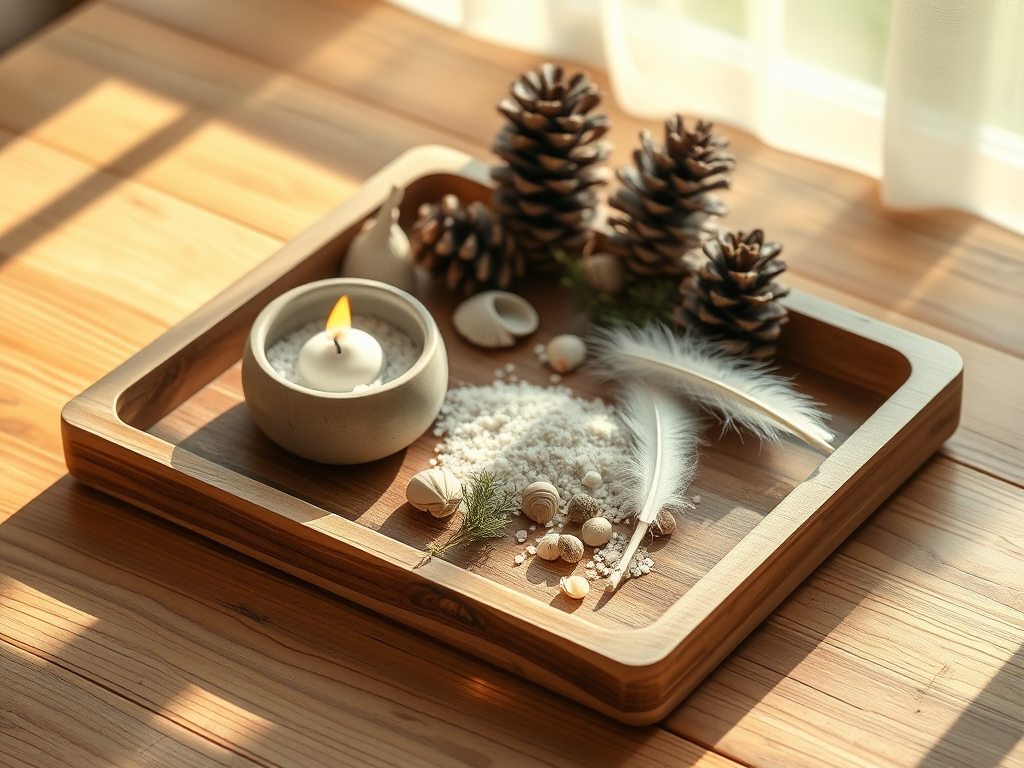
I have a “to go” altar that I keep at work. It has a small cloth and representations of the four elements. A feather for air, rocks for earth, a seashell for water, and a candle/lighter for fire. I use it occasionally when I need to recenter myself in the office.

I have two separate smaller altars dedicated to Nyx and Hecate. These contain images and associations for both goddesses.

I also typically have an additional everyday altar in my home where I do meditations, affirmations and regular ritual practice.


🔮 Step 2: Decide the Purpose

Most altars have a purpose. What’s the intention behind your altar?

  • A general spiritual workspace?
  • A place to honor a deity or ancestor?
  • A seasonal altar aligned with the Wheel of the Year?
  • A space for manifesting, healing, or protection?

Knowing the “why” helps you decide what to include and what kind of energy you want to cultivate there. As a big, important all caps note. ALTARS CAN HAVE MORE THAN ONE PURPOSE. Contrary to what seems to be a prevalent belief on social media, it is not at all necessary to have a single altar for a single purpose.

I’m a big fan of changing things up. Sometimes I want different colors, different crystals for a particular week or season. To that end, I am consistently reorganizing my main altar to align with the things I want to focus on. Altars, like your practice, do not need to be “set.” They just need to work with how you want/need to practice. Life requires adaptation and growth, and your altar should reflect that as well.


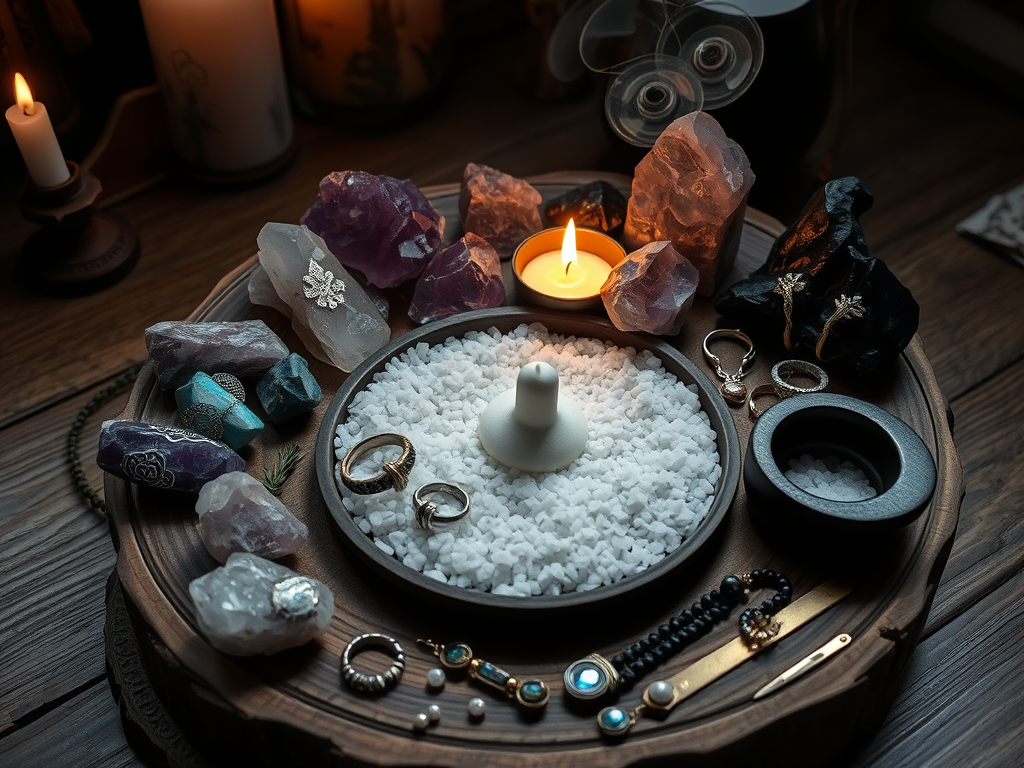
🕯️ Step 3: Gather Your Items

Witchcraft does not need to be expensive. Some of my favorite items for my altar, I found at the dollar store or thrift stores. An easy way to start simple, is to use what you have. Bowls/plates from your cabinets, herbs from your kitchen, your personal jewelry. Here are some ideas:

Choose what resonates:

  • Cloth or base: A scarf, bandana, or beautiful cloth can define the space. Seriously though, you could use an old t-shirt that has meaning for you, if it’s what you have available.
  • Candle: Represents light, transformation, or the element of fire.
  • Bowl of water or shell: Symbolizes emotion, cleansing, and the element of water.
  • Stone, salt, dirt, or plant: Connects you to the element of earth and grounding energy.
  • Incense or feather: Represents air, inspiration, and clarity.

Optional additions:

  • Crystals
  • Pendulum – this can be a crystal, or simply a favored jewelry pendant on a string
  • Herbs – these can be living plants, dried herbs purchased for a specific purpose, or small pinches from your kitchen cabinets
  • Photos of ancestors
  • Statues, artwork or symbols of deities
  • A journal, notecards, or Book of Shadows
  • Trinkets that bring you joy or invoke specific feelings for you
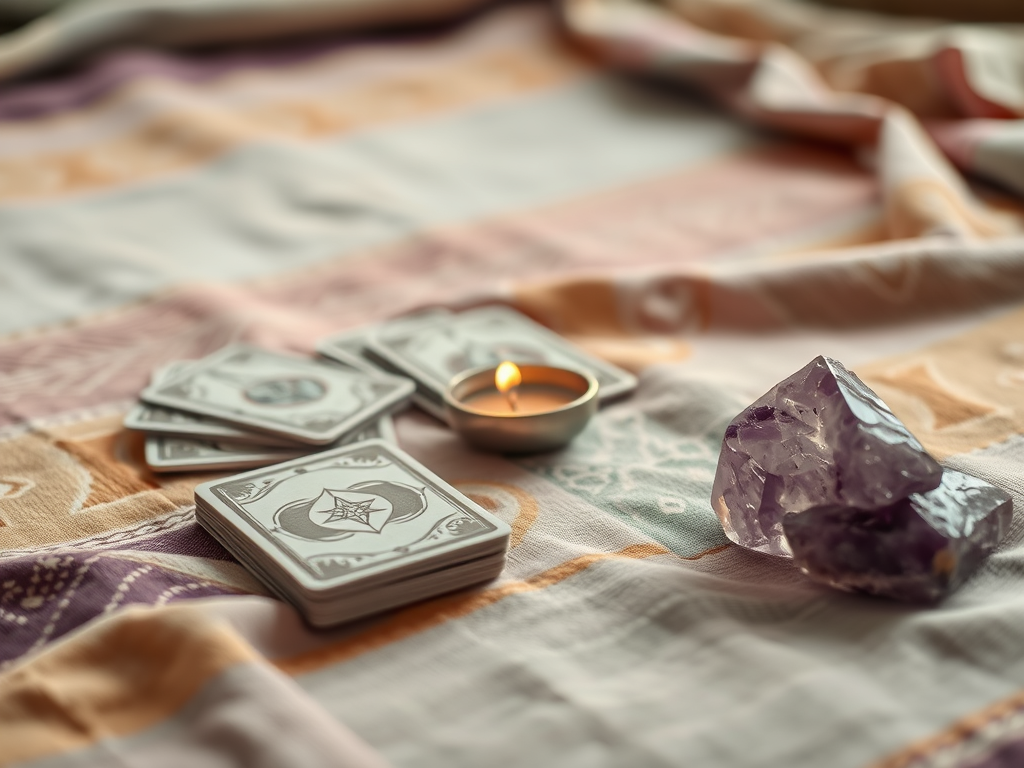
  • Tarot or oracle deck
  • Offerings like coins, flowers, honey, or wine

Tip: Let your intuition lead. If something feels special or sacred to you, think about whether it deserves a place of honor on your altar.


🌼 Step 4: Arrange with Intuition and Intention

There’s no “right” way to lay out your altar. You can go with:

  • The four elements: Place items that represent earth, air, fire, and water in four directions.
  • A central focus: Put a candle, deity statue, or object of intention at the center.
  • Seasonal style: Align your altar with the current sabbat (like flowers for Beltane, leaves for Mabon, holly branches for Yule).
  • Haphazard Magic: Maybe, just maybe, its supposed to be messy. Only you can decided that one.

Altars are living spaces, not static ones. They are meant to be used.

Your altar may need to be on a different surface because the bookshelf or dresser doesn’t work.

Maybe you don’t like the cloth you used.

Maybe you find yourself forgetting to change out the flowers. Perhaps pinecones or other natural representations would be better for your lifestyle and your practice.

If you are constantly knocking over the candle while doing your ritual, that candle is probably in the wrong spot.

Move things around until it not only feels right but also aligns with how you work in ritual. Using all your senses to determine the look, feel and use of your altar is part of both intention and intuition.


🌙 Step 5: Activate Your Altar

Once everything’s in place, take a few moments to activate the space. You can:

  • Light your candle and speak an intention or chant aloud
  • Meditate or breathe deeply at the altar
  • Ring a bell, clap your hands, or burn incense to “wake up” the energy
  • Say something simple like: “I dedicate this altar as my sacred space. I welcome peace, power, and presence.”

Trust that your energy is enough is also important here. Activating your space is also part of arranging it with intention. It’s also important to remember that intentions/activation can change.


🌸 Step 6: Care for Your Altar

You as a human being evolve throughout the days, weeks, years ahead. As I’ve already mentioned, your altar is not set in stone. Clean it regularly, reset it and reactivate it as you need. Create multiple altars each with a different purpose if it aligns with your practice. The important thing is to check in often. Say a few words or take a few deep breaths. Just be there.


✨ Final Thoughts

Crafting your altar is less about rules and more about resonance. It’s a mirror of who you are along the way. Sacred spaces that grow as you do. No two altars look alike, and that’s what makes each one powerful.

So gather your trinkets, trust your instincts, and create a space where your magic can bloom.

Welcome home, witchling. 🕯️🌿

Posted in toil & trouble | Tagged , , , , , , , | Leave a comment

Toil & Trouble: Beginner Witch Series – 5 Tips for Witchcraft on a Budget

Blessed Be, Budget Witches!

Let’s get real: witchcraft isn’t about hoarding shiny tools, buying $50 candles, or spending your rent money on imported herbs. True magic lives in intention, creativity, and connection with spirit, self, and nature. If your wallet’s feeling a little hexed, worry not. Here’s how to enhance your practice while keeping your budget grounded.


1. Nature Is Your Free Apothecary

Forget fancy metaphysical shops. The easiest magical materials to grab are growing right outside your door.

  • Herbs & Plants: Lavender, rosemary, dandelion, pine, clover, mint—these are potent allies, and many grow wild. Learn to identify local flora (safely!) and forage with respect.
  • Sticks & Stones: A fallen branch can become a wand. Smooth stones or acorns can be used in spells or as altar decorations. Shells, feathers, pinecone are all treasures from the earth and cost nothing but awareness.
  • Moon & Sun: Charge tools, altar and ritual instruments, or even yourself `under the full moon, harness solar energy at dawn, or work with seasonal cycles—these are cosmic forces you don’t have to buy.

2. Household Tools as Magical Substitutes

You don’t need a crystal-studded athame or chalice made of unicorn tears. Look around your home.

  • Teacups = Chalice
  • Kitchen Knife = Athame
  • Spell Containers = Recycled jars (Old pasta sauce or salsa jars are witch gold!)
  • Plates and Bowls = Spaces to house spells or ritual ingredients while you are working
  • Spice Cabinet = Quick, easy and cheap access to the most common spices and herbs to use in rituals

Don’t let aesthetic expectations drain your energy or your checking account. The power is in how you use it.


3. DIY Everything

If you’re even a little crafty, the possibilities are endless and fun. Crafting your own materials given the added time and ingenuity to infuse more intention into your rituals as well!

  • Make your own incense & oils
  • Stitch protection sigils into clothing or draw them on your bathroom products
  • Create pendulums from unused pendants & rings
  • Handmake art pieces like wall art, paintings, tarot card decks) (Grab canvases from garage sales, or your local thrift stores. Index cards and your own symbols work just fine for building an at home tarot deck! Sticks, stones and pinecones can become creative centerpieces)

Pinterest, YouTube, and witchy TikTok have tons of DIY tutorials. Customize your tools and rituals while saving money.


4. Free Knowledge Is Real Power

Forget $80 grimoires with gilded pages. Most of what you need is freely available.

  • Library Books (Check out their metaphysical and folklore sections)
  • Online PDFs of public domain books
  • Free Courses & Podcasts: Many witches share their wisdom for free. Seek out communities that don’t gatekeep.

Keep a magical journal (notebook from the dollar store works!) and document your path. This becomes your personal Book of Shadows over time.


5. Cleanse, Clear, and Reuse

Witchcraft doesn’t have to be consumptive.

  • Reuse candles. Let them burn down, melt the wax, and recast.
  • Cleanse your tools with sunlight, moonlight, salt, sound, or smoke.
  • Refresh your space with intention and energy, not expensive products.

Simple broom sweeping can be a powerful banishing ritual. No sage bundles required (and overharvested white sage? Best avoided unless it’s part of your culture).


Final Thoughts: The Magic Is All Around You

Never underestimate building a community.

Community is a resource money can’t buy. You can swap tools with other pagans. Trade readings or services for knowledge or additional resources. Join free online circles, forums, or local meet up groups.

Magic magnifies when shared. You’ll learn more from talking to five grounded witches than buying five overpriced books from influencers.


Budget witchcraft isn’t lesser witchcraft. It’s raw, powerful, and deeply connected to the essence of what it means to be a witch, resourceful, reverent, and real.

You are the altar. Your words are the spell. Your breath is the ritual.

So light that dollar store tea light, stir your coffee clockwise with a chant, bless your thrifted scarf, and cast with confidence. The universe doesn’t check your bank account before it listens.


Witch Tip of the Week:
Next dark moon, write your fears on a scrap of paper and bury it in the dirt. No tools, no frill. Just truth, release, and earth. Let the soil transmute what you let go.


Want more thrifty magic? Let me know in the comments what your favorite no-cost spell or ritual is!

Stay magical, stay mindful, and most of all, stay you.

Posted in toil & trouble | Tagged , , , , , , , , | Leave a comment

Book Dragon: Myths That Endure – Why We’re Still Spellbound by Mythology

There’s something ancient that still lives in the stories that surround us.

Before cities, before books, even before writing itself, we had stories. Carved and painted onto stone and pottery, shared around fires, passed down through memory and generations. These were the stories we used to explain the stars, the forests, and ourselves. And thousands of years later, we’re still finding new ways to tell them.

While we think of mythology has something in our pasts, the fact is that it continues to shape our present as well. From modern retellings and bestselling fantasy novels to TV shows, video games, and even enduring idioms (“Achilles’ heel” or “Pandora’s box” anyone?), myths continue to grasp our imaginations and shape the way we see the world.

But why? What is it about mythology that still speaks so deeply and captures the human spirit?


🔥 Seeking to Make the Invisible Visible

At their core, myths are more than stories, they’re machines designed to craft meaning where we have questions. They take the unknown and abstract and give it form, function, reason. Love and beauty become the ethereal Aphrodite, stars become the souls of our loved ones, gentle streams become the voices of water nymphs, and thunder isn’t just weather but Thor wielding his hammer.

These personifications help us navigate the big questions of life: Who are we? Where did we come from? Why do we suffer, love, create, or die? What else exists around or beyond us? Are there things we cannot see?

Myths rarely offer clear answers, but they inspire imagination and discovery. And sometimes, that’s even more powerful.


🌍 Myths the World Over

One of the most remarkable things about mythology is how universal it is. Cultures across the globe have created their own history of stories.

  • The Greek myths gave us flawed gods and heroic trials.
  • The Egyptians told tales of death, rebirth, and cosmic balance.
  • The Hindu epics blend divine love, epic battles, and spiritual teachings.
  • The Yoruba myths bring vibrant Orishas, each representing a facet of nature and humanity.
  • The Indigenous stories of the Americas and Australia are deeply tied to land, animals, and ancestral memory.

These myths differ in detail but echo with shared themes: power, life, death, love, honor, family, sacrifice, trickery, justice, destiny, transformation.

No matter the where or when, humans throughout evolution have been trying to tell stories to make sense of our world in all its varying forms.


✨ Transforming Mythology: From the Ancient to the Modern

Mythology is truly fascinating as its one of the things that has evolved as humanity has adventured and expanded. Not just culturally, but also intellectually, socially, economically. You can see mythological archetypes pierce different aspects of human evolution regardless of the time period. Myth and legends permeate historical events like the Spanish Inquisition or Salem Witch Trials. Legends endure after tragedies of war about heroic soldiers or supernatural encounters.

Today’s readers might meet gods not in temples, but in novels like Circe by Madeline Miller, or TV series’ like American Gods. Even superheroes are modern-day mythic figures with their origin stories and moral dilemmas. Ancient pantheons are receiving new audiences with different media, whether its video games, novels, television or movies (Looking at you Percy Jackson!).

Sci-fi and fantasy worlds often borrow from ancient myths. For example, Star Wars has clear echoes of the hero’s journey, gods and immortals appear in Star Trek, and Tolkien’s Middle-earth mythology was influenced by Norse and Finnish legends. Literature in the last century has expanded our myths to look outside our world and imagine the possibilities to the greater universe as well. What exists beyond what our eyes and technology could possibly see?

We keep reinventing these archetypes because we need them. They give shape to our struggles, offer models of courage or caution, and help us find ourselves in stories larger than life.


💭 Why We Keep Coming Back

So why do myths still resonate, centuries after they were first told?

  • They give us archetypes, not just characters but heroes, villians, mentors, shapeshifters, tricksters.
  • They speak to timeless human emotions like jealousy, ambition, fear, love, wonder.
  • They reflect our cultural values and challenge them, and most often at the same time.
  • They connect us to the past and to something bigger than ourselves.

In a world that often feels chaotic, myths give us a symbolic framework for understanding both the beauty and the brutality of being human.


🗣 Let’s Keep Telling the Old Stories

Whether you’re drawn to mythology through academic interest, pop culture, or just a love of epic tales, you’re part of something ancient and ongoing. Myths aren’t relics—they’re living stories, and each time we revisit them, we breathe new life into them.

So let’s keep reading them. Retelling them. Reimagining them.

Because the gods may be old but the human imagination? That’s eternal.

Book Recommendations

If you’d like to explore how our world and myths intertwined in history, these two are on my favorites shelf:

The First Fossil Hunters: Paleontology in Greek and Roman Times by Adrienne Mayor
The Devil: Perceptions of Evil from Antiquity to Primitive Christianity by Jeffrey Burton Russell

And a few more that are on the TBR list:

An Instinct for Dragons by David E. Jones
Mask of the Sun: The Science, History, and Forgotten Lore of Eclipses by John Dvorak
Gods in Us: A Journey through Greek Mythology and Psychology by Leonel Hillsdale
Robin Hood: A Mythic Biography by Stephen Thomas Knight
Evolving Brains, Emerging Gods: Early Humans and the Origins of Religion by E. Fuller Torrey


What’s your favorite myth or legendary figure?
Drop it in the comments! I’d love to hear what myths speak to you and why. Do you love tricksters like Loki? Warriors like Hercules? Goddesses like Isis or Inanna? Let’s talk myth.

Until next time, keep dreaming, keep reading, and don’t be afraid of dragons (they’re usually guarding something important).

Posted in Book Dragon | Tagged , , , | Leave a comment

Book Dragon: The TBR Tower – A Peek Into My Never-Ending Reading List

I’ve never met a reader that didn’t have a TBR (To-Be-Read) list that somehow, sometime, and somewhere becomes a literary Jenga tower. Oh, these towers are chaotically stacked, constantly growing, and occasionally threatening to topple over, but they bring readers a world of emotions. Instead of being overwhelmed, I’ve decided to embrace the chaos and share a few books currently sitting at the top of my list.

Most of them are backlist gems I’ve been meaning to get to for months or years. This isn’t a definitive list, just a snapshot of what’s caught my eye lately and maybe, just maybe, a public nudge to hold myself accountable.


1. The Invention of Murder: How the Victorians Revelled in Death and Detection and Created Modern Crime by Judith Flanders

📚 Why it’s on my list:
I love a good historical look at things we just live with in today’s society. Flanders examines some of the most captivating cases for the Victorians that gave inspiration to some of the greatest detective fiction, the tourist industry surrounding dead people and their possessions, and introduced “court reporters” as a profession. To be honest, I’m about halfway through the book, but I have been putting it down lately in favor of fiction novels.

Vibe: Nonfiction, history, true crime
I’m saving it for: That is a great question! I’ve been slowly working my way through this book since last summer. As its nonfiction, I tend to put it down in favor of disappearing into magical worlds rather than historical reality. I don’t have a specific mood for reading this book, but now that I’m through the stress of the holidays (and a divorce!), I’m looking forward to picking it back up again. Perhaps it needs to be my daily commuter reading while sitting quietly on the train?


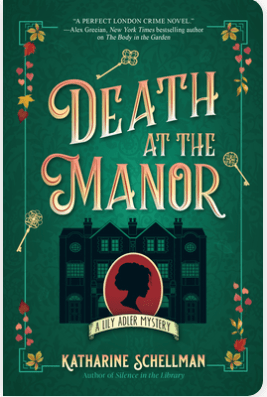
2. Death at the Manor by Katharine Schellman

📚 Why it’s on my list:
I picked this up Body in the Garden on a complete whim and found a new book genre to add to my ever-growing list. The first and second books in the series were whitty, charming, kick my feet cozy little mysteries. This book is on my TBR list simply because I haven’t managed to find a copy at any small bookstores in my area. (Trying desperately not to cave and order it from Amazon).

Vibe: Fiction, Cozy, Mystery, Romance, Regency/Victorian era vibes
I’m saving it for: The minute I manage to find a copy. This book will be cracked open and read immediately!


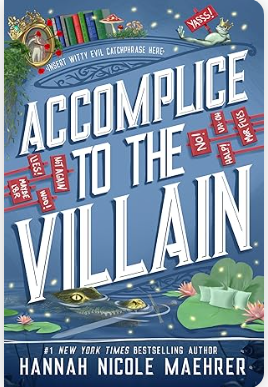
3. Accomplice to the Villian by Hannah Nicole Maehrer

📚 Why it’s on my list:
I devoured the first two books in this series and am excited to keep going. This book made it to the TBR shelf simply because I’ve been in the middle of two other series since September that I haven’t been able to put down.

Vibe: Fiction, Romantasy, Humorous
I’m saving it for: When I need to kick my feet with joy, and I’m in a reading slump after finishing the other two series’ I’m currently reading 🙂


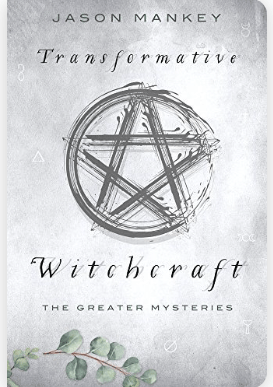
4. Transformative Witchcraft: The Greater Mysteries by Jason Mankey

📚 Why it’s on my list:
I always have two or three books related to Witchcraft, Paganism or Wicca on my shelf. This one was recommended by a friend as it melds both the historical foundations associated with witchcraft and the modern world.

Vibe: Nonfiction, witchcraft, occult, rituals.
I’m saving it for: Nothing really. I haven’t been in a mood to read nonfiction recently due to some life events. I will probably finish the book listed above in space #1 and then pick this up as my next nonfiction exploration.


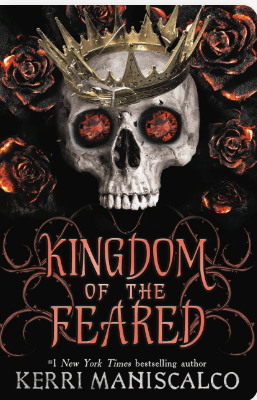
5. Kingdom of the Feared by Kerri Maniscalco

📚 Why it’s on my list:
It has been a while since I read the first two books in the series. Enough time has passed that I feel like I need to reread Kingdom of the Wicked and Kingdom of the Cursed prior to picking up the final piece of the trilogy.

Vibe: Fiction, Romantasy, Paranormal, Enemies to Lovers
I’m saving it for: When I manage to move into my new place, unpack the first two books from my random collection of boxes.


A Few Reading Intentions:

  • The joy is in the journey, right? As much as I would like to read everything, all at once, my mood and the things I have going on in life also take up time and energy.
  • I’m recently become a big fan of the controversial DNF (Did Not Finish). I spent A LOT of time wasting my life on books I couldn’t stand. To be honest, it’s been a game changer for me.
  • Replace scrolling or phone games on the morning/afternoon commutes with reading or podcasts (or crafting!).

Your Turn:
What’s on your TBR right now? Are there any books you’ve been avoiding because they’re too hyped, or too intimidating? I’d love to hear what you’re reading (or avoiding) in the comments.

Let’s hold each other accountable… or at least enable each other with more recommendations. 😊

Happy reading!

Posted in Book Dragon | Tagged , , , , , , , , | Leave a comment

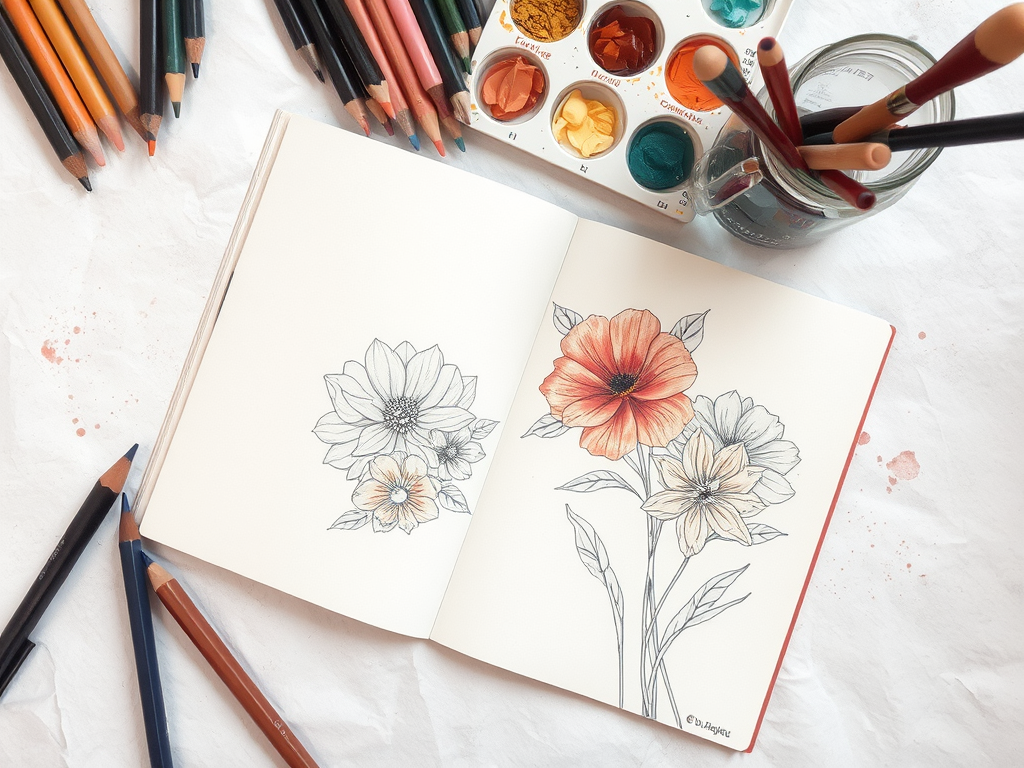
Toil & Trouble: Discovering Joy Through Crafting – Creating for the Sake of It

There’s a special kind of magic that happens when your hands are busy and your hearts really into it. You’re snipping fabric, shaping clay, knitting a row, painting a stroke and you get lost in the repetitive movement, creations taking shape. Forgetting the world for a moment, it becomes just you and your craft.

In a world that’s always asking for quick results, it can be easy to forget the simple joy of making something just because you want to. Hobbies, especially those crafty ones, aren’t just about producing a thing, they become expression, play, exploration in the space of a moment.

If you’ve been feeling disconnected from your creativity lately, maybe it’s time to come back to your craft, not for perfection, not for productivity, but for joy.

Crafting is Permission to Slow Down (or Rage depending on preferences)

Let’s face it. Life is loud sometimes. It’s overwhelming, chaotic, stressful in the worst ways. In moments where things are topsy turvy, finding your way back to crafting can offer a quiet kind of rebellion. Your own mental peace in a world of noise. It’s a choice to slow down, focus, and create beauty in small, intentional ways. The rhythm behind stitching, satisfying whir of a sewing machine, or the messy fun of balloon painting, the point is to find a moment to pull yourself out of your own head and into the present. And in that present, joy has space to grow.

(Although to be fair, sometimes the best crafts take the chaos and chase it screaming up a hill. No judgement on how you choose to slow down, whether that’s a coloring book or a rage room. Self-expression is an individual’s journey.)

It Doesn’t Have to Be “Good”

One of the biggest joy-stealers is the voice that says, “This isn’t good enough.” Social media can make it worse, turning hobbies into performances. But the bottom line truth is that your craft doesn’t have to be impressive to be meaningful. Nor does it have to be meaningful to anyone but you.

Your mismatched seams, lopsided pottery, or slightly wonky drawings are still valid expressions of you. In fact, those imperfections are often the most human, beautiful parts. You don’t have to sell it, share it, or perfect it. Craft to enjoy it.

When you make something with your hands, you get to witness your own creativity in motion. That process can be grounding, affirming, and even healing. It reminds you that you are more than your job, your stress, your to-do list. You are a maker. A creator. Someone who brings ideas into form, color, and texture.

In hard seasons, crafting can be a lifeline. In joyful ones, it becomes celebration. It meets you where you are.

Craft Without a Goal

Joy often lives in the little things: picking out colors, organizing your supplies, finishing that last row of stitching. These small rituals are tiny acts of care both for yourself and for whatever you’re creating.

Even if you only have 10 minutes, even if it’s not your “best” work, crafting invites joy in the doing, not just the finishing.

Set aside time to craft with no plan and absolutely no pressure. Don’t even aim to finish. Don’t aim to share. Create just to play. Let your hands lead. Make something silly. Make something imperfect. Make something fun.

Because crafting, at its best, is a reminder that joy doesn’t have to be big or loud. Sometimes, it’s found in quiet moments, messy desks, tangled yarn, or the simple satisfaction of using your hands.

Final Thoughts: Keep Creating Joy

Your crafting hobby doesn’t have to be useful or marketable or even particularly “good.” It just has to feel like yours. A space where you get to breathe, explore, express and enjoy the ride.

Go thread the needle, mix the paint, fold the paper, press the clay. Not because you have to, but because you get to.

The joy is already there, waiting for you to return.

Blessed Be.

Posted in toil & trouble, Wicca | Tagged , , , , | Leave a comment

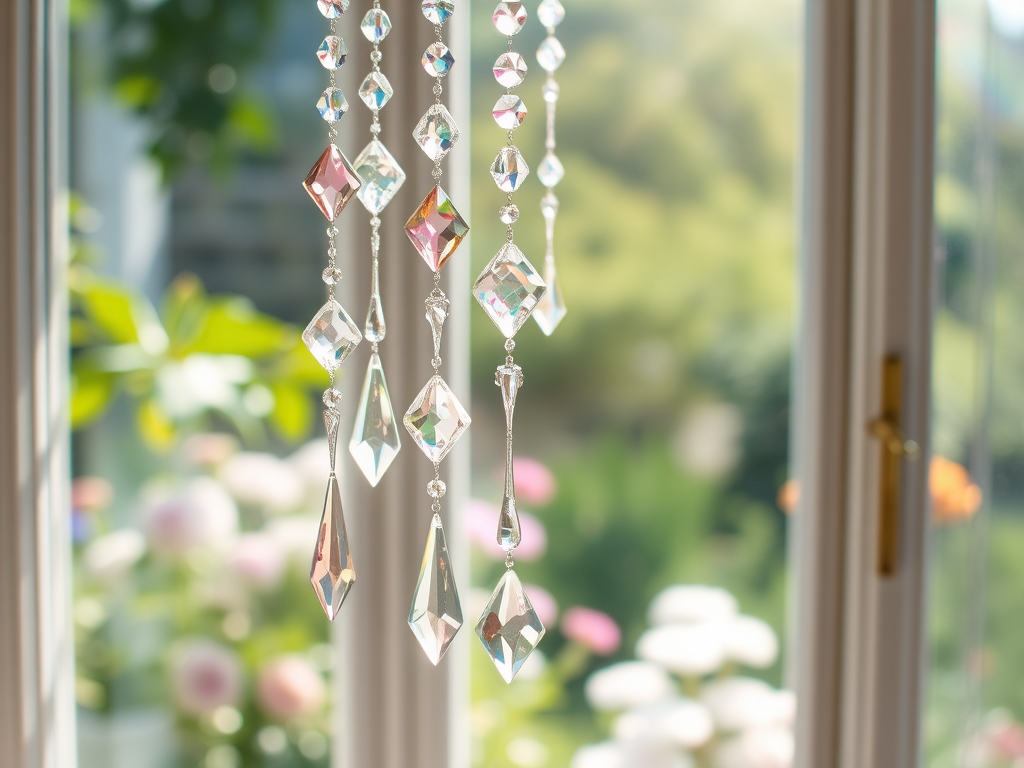
Toil & Trouble: Infusing Intention – How to Spiritually Enhance Your Jewelry to Manifest Your Desires

Jewelry has always been more than just decoration. Across the centuries, it’s been a powerful tool of symbolism, energy, and self-expression. But in today’s age of conscious living and spiritual awakening, many are rediscovering jewelry as a sacred tool. A wearable piece that can be utilized to manifest and cultivate our deepest desires and intentions.

By spiritually enhancing your jewelry, you’re not just wearing beauty. You’re wearing purpose. Here’s how to turn your favorite rings, necklaces, bracelets, or crystals into manifesting allies in your journey toward growth, healing, and abundance.


1. Why Spiritual Enhancement Works

Energy is everything. Just as you can charge a crystal or bless a space, you can infuse your jewelry with your focused energy and intentions. When worn regularly, these pieces act like energetic anchors. They remind your body, mind, and spirit of what you’re want to call into your life. Whether it’s confidence, love, prosperity, or protection, your jewelry becomes a sacred talisman.


2. Choosing the Right Piece

Start with jewelry that holds meaning. Whether it’s something you’ve bought with intention, a family heirloom, or a piece that simply feels “right.” Different materials carry different energetic properties:

  • Crystals & Gemstones – Rose quartz for self-love, carnelian for confidence, citrine for abundance, amethyst for calming emotions or spiritual growth, onyx or tiger’s eye for protection.
  • Metals – Gold is associated with divine connection and wealth, silver with intuition and emotional healing, copper with energetic flow.
  • Symbols – Hearts, moons, or religious icons can amplify specific intentions depending on your personal spiritual beliefs.

3. Cleansing the Energy

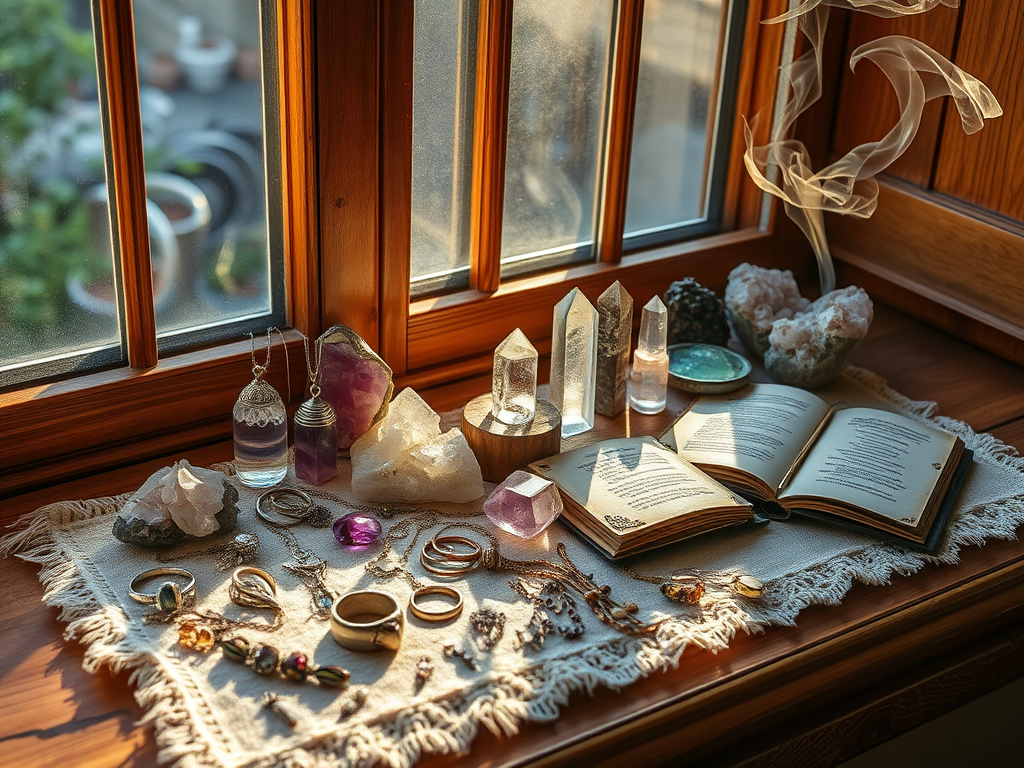
Before programming your jewelry with intention, you need to cleanse it of any residual energy. While you should cleanse everything, this is especially important for items you may have purchased recently or were gifted. You never know what’s already attached to a piece you bring into your home. I keep some incense and electric lighters, as well as a few selenite bowls, in various places of my home so I can start the cleansing process early. Additional ways you can do this:

  • Placing it in moonlight (especially during a full moon)
  • Cleansing it with incense. Bonus points if you choose an incense that matches the intention you are trying to create – Cedarwood for strength and protection, Lavender for relieving anxiety, Eucalyptus for protection or stress relief, etc.
  • Using sound (like a bell, singing bowl, tuning fork, or even your voice if you are musically inclined)
  • Using a selenite slab or bowl, or including your gems/metals in a bowl with a piece of kyanite.
  • You can cleanse stones in salt or water, but you need to understand how both those mediums affect either your crystal or your metal. Not every gemstone and every metal can be bathed in water for example.

4. Programming with Intention

Personally, I determine my intention prior to cleansing any piece of jewelry. I like to hold that intention silently while I am using cleansing each piece. In this way, I cleanse and set the stage for programming my intention at the same time.

Once cleansed, determine how you are going to infuse your intention. Will you hold the object in your hands? Will you charge it in a bowl with other pieces to magnify your desires? Do you want to do a more elaborate ritual to accomplish your goal?

You’ll find that many practitioners navigate this in different ways. Try out a few methods and find one that resonates with you. Paths are individual, so don’t assume something is wrong just because you’ve read different accounts from different people.

A simple ritual would be to close your eyes, breathe deeply, and visualize what you want to manifest. Speak or sing your intention aloud or do it silently to yourself. You can also write your intention and keep it in the same space as your jewelry pieces. Regardless, feel the emotion of already having what you desire. The stronger your visualization and belief, the more powerful the energetic imprint.


5. Wearing It with Purpose

Now, wear your jewelry daily or during moments that align with your goal—job interviews, creative work, meditation, date nights, or even just your morning coffee ritual. Each time you touch or see the piece, reconnect with your intention. Let it remind you to stay aligned with the energy you’re cultivating.


6. Regular Recharging

Intentions and manifestations change depending on where you are in life, so it’s important to understand that your spiritual jewelry needs regular recharging. If you are using your jewelry for interviews, you may need to recharge more frequently. If it’s only for public speaking once every couple of months, you might be able to go longer.

The important thing to remember is to cleanse and reprogram your jewelry regularly. I would also encourage keeping a little notebook for the first couple of times (maybe a few weeks or months) wearing your jewelry. Write down your impressions at the end of the day.

  • Do you feel like the events of the day matched your intended manifestations?
  • Was there anything that surprised you? The interactions you had with others, how you handled situations?
  • Did anything negative occur? Its incredibly important to review both the pros and cons of your day.

Once you can attune yourself to your jewelry, it will be easier to determine if you need to reprogram a new intention or simply recharge a depleted piece.


Final Thoughts

Spiritual jewelry isn’t about superstition, it’s about intention. It’s a simple yet powerful way to make your dreams tangible, to keep your desires close, and to remind yourself that your energy shapes your reality.

In a world that can feel chaotic, wearing intention-infused jewelry brings you back to your center. You get to decide if that center is one that sparkles, breathes calmly or confidently, or creates with joy, using one sacred adornment at a time.

Posted in toil & trouble | Tagged , , , , | Leave a comment

Book Dragon: 5 Tips for Reading While Traveling – Make the Most of Your Journeys

There’s something magical about reading while on the move. Whether you’re soaring above the clouds, sitting on a train watching landscapes blur by, or lounging on a beach somewhere far from home, a good book can enhance the experience—or even define it. Since the holidays are around the corner, I’m sure you are all planning your next book marathon for that little moment of solitude in the madness of family charades.

But reading while traveling comes with its own quirks and challenges. Packing constraints to distractions to motion sickness, it’s not always as simple as opening a book or turning on that e-reader. Read below for a practical (and tried and true) guide to help you read more (and better) while on the go.

1. Controversial, but let’s be frank here – Digital is, in fact, perfectly fine.

Books are beautiful, but if your TBR shelf is anything like mine, it’s full of bulky tomes. If you’re a frequent traveler (or aspire to be a light packer), consider an e-reader or even an audiobook device. You can bring hundreds of books in a device that weighs less than an average paperback.

Plus, many e-reader models can be used with external chargers and work great in varying types of weather experiences. Audiobooks offer the chance to avoid talking to your plane, train or automobile neighbor. Nothing is worse than being interrupted in the midst of your story by someone asking “what are you reading?”

Tip: Consider loading whatever device you use with a variety of genres. You never know what reading mood your travels may inspire.

Tip: It is worth it to create a “go-bag” for your e-reader or other devices that include travel cords, external charges, or wall charger plugs. Keep it with your normal travel materials. This way you don’t run into the issue where you have left your “normal” cord at home.

2. Download Offline Content Ahead of Time

As I’m sure we all know, Wi-Fi can be both unreliable and, in some cases, ridiculously expensive during travel. If you’re using an e-reader or reading apps (Kindle, Audible, Libby etc) take the time to download everything before you leave home. Definitely, an important note that I include on any “to do” list before I take an extended trip.

Tip: Don’t forget to update your devices and sync your bookmarks in case you’re switching between formats.

3. Don’t Fight Distraction—Plan for It

Travel comes with constant interruptions. Announcements, boarding calls, or simply the need to look up and take in your surroundings can all take you out of that ever important Reading Zone. Choose books that are easy to dip in and out of—short story collections, essays, or fast-paced thrillers work well while you are in between spaces.

If you get motion sickness or just want to rest your eyes while in transit, audiobooks are a lifesaver. They’re perfect for long drives, airport waiting areas, or while hiking or walking through a new city. Invest in quality noise-cancelling headphones to block out background noise and make the experience more immersive (but do so safely!).

Save that engrossing novel for when you have longer periods to enjoy without interruptions. After you are already in the air, your train/boat doesn’t have frequent stops, or at night in your hotel. It is also helpful to choose easier stories if you are travelling places where you still need to maintain a level of vigilance in your surroundings.

4. Be Open to Reading Where You Are

Sometimes, the best book is the one you discover locally. Browse a neighborhood bookstore or a local little library, pick up a book by an author from the region you’re visiting, or even grab something in translation. Reading local literature can add depth to your travel experience and give you a more nuanced understanding of the culture.

5. Creating Rituals and Setting Expectations

Set your expectations early and be realistic. A good rule of thumb is to make sure you are not pressuring yourself to read too much. You’re travelling for a reason, so presumably there are things you want to see and do. The best travelling provides space to experience everything.

If you like your morning or evening rituals, set aside time to do the same while you are traveling. Mornings in a cafe with coffee, afternoons by the pool, or before bed in your hotel room. This gives your day a comforting anchor and helps you unwind from overstimulation or jet lag.

Travel is unpredictable. While you think you’ll breeze through four or five books, its also equally possible you’ll barely finish a single book. Using e-reader and audiobooks creates less items that you need to move to and from.

Tip: Journaling a few thoughts after each reading session can help you process both your book and your travel experience. Another option is to send yourself postcards from your travels, so you have souvenirs and memories all in one.


Let the Journey Guide Your Reading

The best travel memories aren’t always the ones you planned. Sometimes, a novel picked up at a hostel shelf, a new genre, or an unexpected author becomes the perfect travel companion. So, stay open, be flexible, and let the road lead both your body and your imagination.

Happy travels, and even happier reading!

What’s your favorite book to read on the road? Drop it in the comments below and let fellow travelers find their next great read.

Posted in Book Dragon, Uncategorized | Tagged , , , | Leave a comment

Toil & Trouble: Colorful Rituals. Infusing Everyday Life with Meaning Through Color.

Color isn’t just something we see, it’s something we feel. It carries symbolic weight, emotional energy, and cultural meaning. By thoughtfully incorporating color into our daily rituals, we can deepen our sense of presence, create intentional moments, and reconnect with the beauty of the ordinary.

Whether it’s the color of the mug you drink from each morning, the outfit you choose for a big day, or the candles you light in the evening, color can transform routine into ritual. As we have officially entered the fall season (in the northern hemisphere at least), take some inspiration from nature. The world around us changes color constantly, and each shift in color represents different moments in time. You can shift your perspectives around color and incorporate these shifts and influences as needed into your own life.

Setting Your Daily Tone


Mornings. Ugh mornings! I don’t like them (definitely more of night owl), BUT I do know that my morning sets the tone for my day. Did I wake up relaxed? Did I lose track of time and end up rushing? Did I oversleep my alarm?

The way you start your morning and move throughout your day is directly tied to your energy. Choosing certain colors can influence your mindset for the day ahead:

  • Blue. Perfect for a peaceful start or a day full of meetings. Pair it with neutral earth tones like beige and brown and you can set your sails for calm and clarity.
  • Yellow. Joy, optimism, strength. Sunflowers, citrus fruit. Yellow is bright and sunny, ideal if you need a boost during any dreary weather ahead, or if you want to be a little light in the darkness for yourself and others.
  • Green, and really any other earth tones are great for balance, grounding and renewal. Are you starting a new project, a new job, a new adventure or hobby? Try incorporating some green into your day to herald that new beginning.
  • Red. A lot of people associate red with love, but its also confidence and passion. Do you have a big presentation and want to make sure you don’t blend into the crowd? Add a pop of red to your outfit. Got a big date, red again stands out. Want to project confidence, or even protect yourself from others, add some red.

Think of color as your first choice in how you want to feel today. You also don’t need giant swathes of color to bring a little color magic into your life. Try incorporating these colors through your clothing, your jewelry, a yoga mat, the pen you use throughout the day, or even the shade of your breakfast smoothie.

Enhancing Focus and Creativity in the Workplace


Color affects productivity more than most people realize. Adding color to your workspace doesn’t have to be drastic—a few elements are enough to shift the energy:


  • Orange is a more powerful color than most people realize. Its creativity, enthusiasm. It can also overlap with red in the passion category. Think of a match that was just lit. What color is that flame in your mind from the start? That spark, that is what orange brings into your day.
  • Teal. Who doesn’t love a good teal? Teal is great for focus, clear thinking, emotional balance. Lying in the mid-space between green and blue, it provides the perfect resting spot for clarity and grounding to intersect.
  • White is very simple. But it’s also crisp and clean. It’s a blank canvas or piece of paper. Use white when you need a boost to think outside the box, grasp that creativity and create something a little extra from nothing.

Even the color of your desktop background, sticky notes, or notebook can make a subtle but significant difference in how you experience your workday.

Nourishment Beyond Taste (or Convenience)

Food rituals are among the oldest forms of honoring daily life, and color plays a big role:

  • A colorful plate often reflects a balanced, nutrient-rich meal. Honestly, the more colors the more vitamins you are consuming. Take a look at your next meal and really pay attention to the color palette.
  • Using color-coded dishes or placemats can distinguish mealtimes (ex. red for energizing breakfast, blue for calming dinner).
  • Try mindful eating by thinking about what you are eating throughout the day. Do you have an important meeting in the afternoon – a heavy drab lunch is probably not the way to go. But a vibrant sandwich and smoothie combo. Perfect!

Celebrating color in your meals can transform eating from a task to a moment of accomplishment.

Color as Motivation in Movement

If you practice yoga, dance, walking, or any form of movement, color can enhance your experience:

  • If you want to take advantage of some spiritual focus, grab some purple on your way out. Whether it’s your gym shoes or your headphones, purple can help raise your energetic level and awareness.
  • Next time you are walking outdoors, take a closer look at the natural world. Catalog the colors that you see and how they make you feel. Do you gravitate towards one more than the other? It could be a sign that you are lacking an influence in your life, and adding a bit of that color can help you on that journey.

Matching movement with color helps turn physical activity into a more emotionally connected practice.

Winding Down Your Evening with Warmer Hues

As the day winds down, color can guide you gently into rest:

  • Soft amber or candlelight for warmth and tranquility.
  • Lavender or pale pink for emotional release, softness and stress relief.
  • Avoiding bright whites or blues in the evening can help signal your body it’s time to relax. Hence the advice to turn off any devices at least 30 minutes before you are ready to catch some zzz’s.

Try ending the day with a ritual of light by using dimmed lamps, colored salt lamps, or a soft-hued blanket to wrap yourself in.

Small Acts Create Big Meaning

You don’t need a ceremonial space or an elaborate altar to create rituals with color. Sometimes, it’s as simple as:

  • Choosing socks in a color that matches your intentions for the week.
  • Carrying a colorful object that grounds you.
  • Using jewelry or nail polish to carry the vibe with you throughout the week.
  • Keeping a fresh flower of a specific hue on your desk to remind you of something you’re working toward.

Color turns the invisible into something tangible, whether that is emotion, intention or energy. When we use it deliberately, our days take on a little more meaning, rhythm, and beauty.

Live in Full Color

Your daily rituals don’t have to be complicated to be powerful. By weaving color into the fabric of your everyday life, you invite magic, mindfulness, and personal expression into every moment. So tomorrow morning, when you reach for your cup, ask yourself: What color do I want to carry with me today?

Posted in toil & trouble | Tagged , , , , , , , , | Leave a comment

Book Dragon: Finding Solace in Stories – The Healing Power of Reading During Divorce

Divorce is often described as one of life’s most emotionally turbulent experiences. Whether it comes after years of struggle or hits suddenly, it can untether even the most grounded among us. During this period of upheaval when routines are broken, identities questioned, and futures uncertain, reading can offer an unexpected kind of therapy.

Why Reading Matters During Divorce

Books don’t fix a broken heart. They won’t finalize custody agreements or soothe every sleepless night. But they do offer something just as vital: perspective, escape, companionship, and sometimes, a mirror.

Reading has been grounding in a world that feels like it’s shifting. The quiet focus required to follow a narrative act as a pause button for the mental noise. In the pages of a book, I can momentarily step away from pain, reflect on my own experience through someone else’s lens, or even laugh when laughter feels impossible.

Reading as Escape and Reflection

Sometimes, you just need to get away from the pain, the arguments, the paperwork.

Fiction, especially genres like fantasy, historical drama, or mystery, provides a sanctuary. Escaping into another world where problems don’t exist can be a powerful way to give your heart a break. There’s a reason stories have comforted humans for millennia.

Memoirs and essays by those who’ve walked through their own divorces or losses can help you feel less alone. They offer honesty, insight, and the sense that survival and even joy is possible. In reading others’ stories of heartbreak and resilience, we often begin to reframe our own.

Reading as a Companion

Books don’t judge. They don’t interrupt. They don’t tell you to “just move on” or “stay strong.” They sit with you in the quiet. In the early mornings when anxiety wakes me up, or late at night when loneliness creeps in, books are my steady, loyal companions.

Even rereading childhood favorites or comfort reads, stories you’ve visited a dozen times, can provide a soothing familiarity in the chaos.

Tips for Reading Through the Pain

  • Start small. If you can’t focus on a novel, try poetry, essays, or short stories.
  • Avoid what triggers you. If romance feels too raw, skip it. There’s no rule that says you have to read anything that doesn’t feel right.
  • Consider audiobooks. Letting someone else carry the narrative can be comforting, especially when energy is low.
  • Use reading as routine. A few pages every morning or before bed can become a gentle ritual, something that’s yours, and only yours.

You’re Not Alone

Reading can’t erase divorce, but it can help navigate it. It can remind you that grief is not forever, that healing is possible, and that reinvention happens one page at a time.

Whether you’re diving into a novel, finding strength in someone else’s memoir, or just rediscovering the magic of language, reading is a quiet act of hope. A small step forward. And in moments when it feels like everything is falling apart, that’s more than enough.

Have you found comfort in a particular book during a difficult time? Share your story in the comments, we heal a little more when we tell our stories, and when we listen to others.

Posted in Book Dragon | Tagged , , , | Leave a comment

Toil & Trouble: The Restorative Power of Nature – Why Going Outside Heals More Than You Think

In a world of constant screens, noise, and deadlines, the simplest remedy for exhaustion might be right outside your door. Nature has profound restorative power whether it’s a sprawling forest, a quiet garden, or even a patch of sky between buildings. It’s not just poetic or nostalgic. It’s science, instinct and survival.

But most importantly, and the part that we can forget on occasion, nature is healing.

The Science Behind the Calm

Many studies show what many of us feel intuitively: time in natural settings reduces stress, lowers blood pressure, eases anxiety, and improves cognitive function. This concept, known as “nature therapy” or “ecotherapy,” isn’t a luxury, it’s a form of medicine. It’s why people recommend fish tanks for your house or even as a screensaver. It’s been proven time and again that just sitting back and watching fish swim gently back and forth can relax your entire being.

Natural environments activate the parasympathetic part of your nervous system. This part of your body’s ecosystem is responsible for rest and digestion. In other words, stepping into green space helps the body relax, restore, and repair.

Restoring Your Attention and Creativity

Urban life demands constant focus: emails, traffic, multitasking. Over time, constantly focusing on the things around you can fatigue your brain. This is why after particularly rough weeks with your work or personal life, you can feel exhausted from your head to your tippy toes. Nature on the other hand engages your attention and your senses in different ways. It’s almost effortless for your mind and body to become attuned to the surroundings. It’s called “soft fascination,” a kind of gentle focus we experience watching leaves flutter, clouds drift, pets play, or waves roll.

This type of engagement gives the brain a break and allows resources to replenish. That’s why even short walks in nature often lead to clearer thinking, better problem-solving, and renewed creativity.

Healing Among the Trees

Beyond physical and cognitive benefits, nature offers emotional grounding. A quiet forest walk can help process grief, frustration, or confusion. Watching the horizon can reduce feelings of being overwhelmed. Gardening can offer a sense of purpose, organization and connection.

Nature doesn’t judge. It doesn’t rush. It simply is.

Micro-Doses of the Outdoors

Despite the general tendency of a lot of people, you don’t need to “unplug” for days on end. You don’t have to lavishly “plan” your time in nature by disappearing for a week. In fact, a small amount of time, like 20 minutes in a park, can make a measurable difference in mood and stress levels. Here are a few simple ways to bring the restorative power of nature into your everyday life:

  • Start your morning with sky-gazing from a window or balcony.
  • Take a daily “green break”—a walk through a nearby park or tree-lined street.
  • Bring nature indoors with plants, natural light, and organic textures.
  • Listen to natural sounds—birds, rain, or flowing water to calm the nervous system.
  • Grow something—a succulent on your desk or a small herb garden on your windowsill.

Nature as a Mirror

Perhaps one of the deepest gifts of nature is its ability to reflect back to us the natural rhythms of life. If you have a small natural space near you, try spending a little time there during each season. The seasons teach us about cycles: growth, decay, rest, renewal. Trees teach us resilience. Rivers teach us about flow and letting go.

When we feel broken or scattered, nature offers a pattern, and a peace we can fall into. In a world that often demands constant motion, nature reminds us that stillness can also mean restoration.

Go Back to What You Came From

We are nature. Bones made from minerals, oxygen from trees, heartbeat synced to the rhythms of the earth, cycles related to the moon, and our daily schedules related to the sunrise and sunsets in your area.

So when you feel overwhelmed, exhausted, or disconnected, take a deep breath and step outside. The goal isn’t to escape the world but become more attuned to a different aspect of the world that exists. Let the wind be your reset. Let the forest be your pause. Let the sun, the soil, and the sky bring you home.

Find a space to just be.

Blessed Be.

Posted in spiritual, toil & trouble, Wicca | Tagged , , , , , | Leave a comment