
There’s something ancient that still lives in the stories that surround us.
Before cities, before books, even before writing itself, we had stories. Carved and painted onto stone and pottery, shared around fires, passed down through memory and generations. These were the stories we used to explain the stars, the forests, and ourselves. And thousands of years later, we’re still finding new ways to tell them.
While we think of mythology has something in our pasts, the fact is that it continues to shape our present as well. From modern retellings and bestselling fantasy novels to TV shows, video games, and even enduring idioms (“Achilles’ heel” or “Pandora’s box” anyone?), myths continue to grasp our imaginations and shape the way we see the world.
But why? What is it about mythology that still speaks so deeply and captures the human spirit?
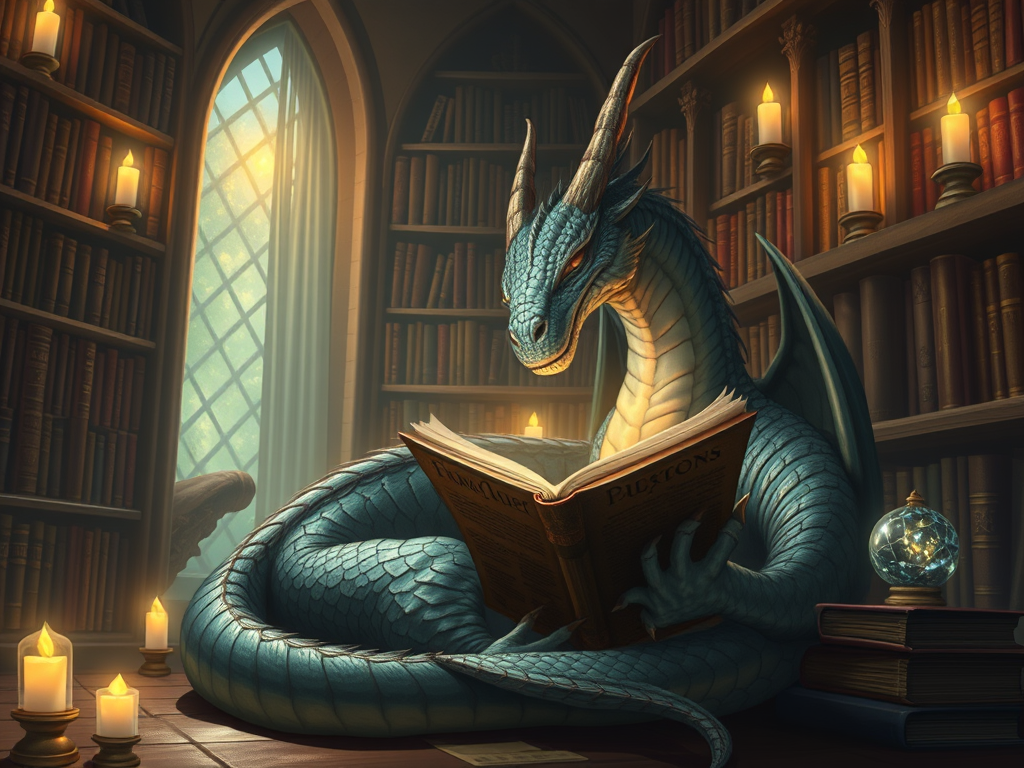
🔥 Seeking to Make the Invisible Visible
At their core, myths are more than stories, they’re machines designed to craft meaning where we have questions. They take the unknown and abstract and give it form, function, reason. Love and beauty become the ethereal Aphrodite, stars become the souls of our loved ones, gentle streams become the voices of water nymphs, and thunder isn’t just weather but Thor wielding his hammer.
These personifications help us navigate the big questions of life: Who are we? Where did we come from? Why do we suffer, love, create, or die? What else exists around or beyond us? Are there things we cannot see?
Myths rarely offer clear answers, but they inspire imagination and discovery. And sometimes, that’s even more powerful.
🌍 Myths the World Over
One of the most remarkable things about mythology is how universal it is. Cultures across the globe have created their own history of stories.
- The Greek myths gave us flawed gods and heroic trials.
- The Egyptians told tales of death, rebirth, and cosmic balance.
- The Hindu epics blend divine love, epic battles, and spiritual teachings.
- The Yoruba myths bring vibrant Orishas, each representing a facet of nature and humanity.
- The Indigenous stories of the Americas and Australia are deeply tied to land, animals, and ancestral memory.
These myths differ in detail but echo with shared themes: power, life, death, love, honor, family, sacrifice, trickery, justice, destiny, transformation.
No matter the where or when, humans throughout evolution have been trying to tell stories to make sense of our world in all its varying forms.
✨ Transforming Mythology: From the Ancient to the Modern
Mythology is truly fascinating as its one of the things that has evolved as humanity has adventured and expanded. Not just culturally, but also intellectually, socially, economically. You can see mythological archetypes pierce different aspects of human evolution regardless of the time period. Myth and legends permeate historical events like the Spanish Inquisition or Salem Witch Trials. Legends endure after tragedies of war about heroic soldiers or supernatural encounters.
Today’s readers might meet gods not in temples, but in novels like Circe by Madeline Miller, or TV series’ like American Gods. Even superheroes are modern-day mythic figures with their origin stories and moral dilemmas. Ancient pantheons are receiving new audiences with different media, whether its video games, novels, television or movies (Looking at you Percy Jackson!).
Sci-fi and fantasy worlds often borrow from ancient myths. For example, Star Wars has clear echoes of the hero’s journey, gods and immortals appear in Star Trek, and Tolkien’s Middle-earth mythology was influenced by Norse and Finnish legends. Literature in the last century has expanded our myths to look outside our world and imagine the possibilities to the greater universe as well. What exists beyond what our eyes and technology could possibly see?
We keep reinventing these archetypes because we need them. They give shape to our struggles, offer models of courage or caution, and help us find ourselves in stories larger than life.
💭 Why We Keep Coming Back
So why do myths still resonate, centuries after they were first told?
- They give us archetypes, not just characters but heroes, villians, mentors, shapeshifters, tricksters.
- They speak to timeless human emotions like jealousy, ambition, fear, love, wonder.
- They reflect our cultural values and challenge them, and most often at the same time.
- They connect us to the past and to something bigger than ourselves.
In a world that often feels chaotic, myths give us a symbolic framework for understanding both the beauty and the brutality of being human.
🗣 Let’s Keep Telling the Old Stories
Whether you’re drawn to mythology through academic interest, pop culture, or just a love of epic tales, you’re part of something ancient and ongoing. Myths aren’t relics—they’re living stories, and each time we revisit them, we breathe new life into them.
So let’s keep reading them. Retelling them. Reimagining them.
Because the gods may be old but the human imagination? That’s eternal.
Book Recommendations
If you’d like to explore how our world and myths intertwined in history, these two are on my favorites shelf:
The First Fossil Hunters: Paleontology in Greek and Roman Times by Adrienne Mayor
The Devil: Perceptions of Evil from Antiquity to Primitive Christianity by Jeffrey Burton Russell
And a few more that are on the TBR list:
An Instinct for Dragons by David E. Jones
Mask of the Sun: The Science, History, and Forgotten Lore of Eclipses by John Dvorak
Gods in Us: A Journey through Greek Mythology and Psychology by Leonel Hillsdale
Robin Hood: A Mythic Biography by Stephen Thomas Knight
Evolving Brains, Emerging Gods: Early Humans and the Origins of Religion by E. Fuller Torrey
What’s your favorite myth or legendary figure?
Drop it in the comments! I’d love to hear what myths speak to you and why. Do you love tricksters like Loki? Warriors like Hercules? Goddesses like Isis or Inanna? Let’s talk myth.
Until next time, keep dreaming, keep reading, and don’t be afraid of dragons (they’re usually guarding something important).
 Toil & Tomes