
I didn’t expect to suddenly find myself interested in learning tarot.
But one day, I found a deck, and then I found another, and another. Now I find myself the happy owner of a dozen different decks, that I have discovered an unexpected love for using in my everyday life. They have beautiful illustrations, and something about them all tugged at my curiosity in completely different ways. I didn’t know what I was looking for when I found each deck, but I knew I wanted to listen.
These small impulses cracked open something new. What began as curiosity quickly became a quiet, personal practice, something between reflection and ritual, intention and intuition. I wasn’t just learning to read tarot. I was learning to listen to and, most importantly, challenge myself to examine and reflect within both joy and shadow.
Not About Telling the Future—But Telling the Truth
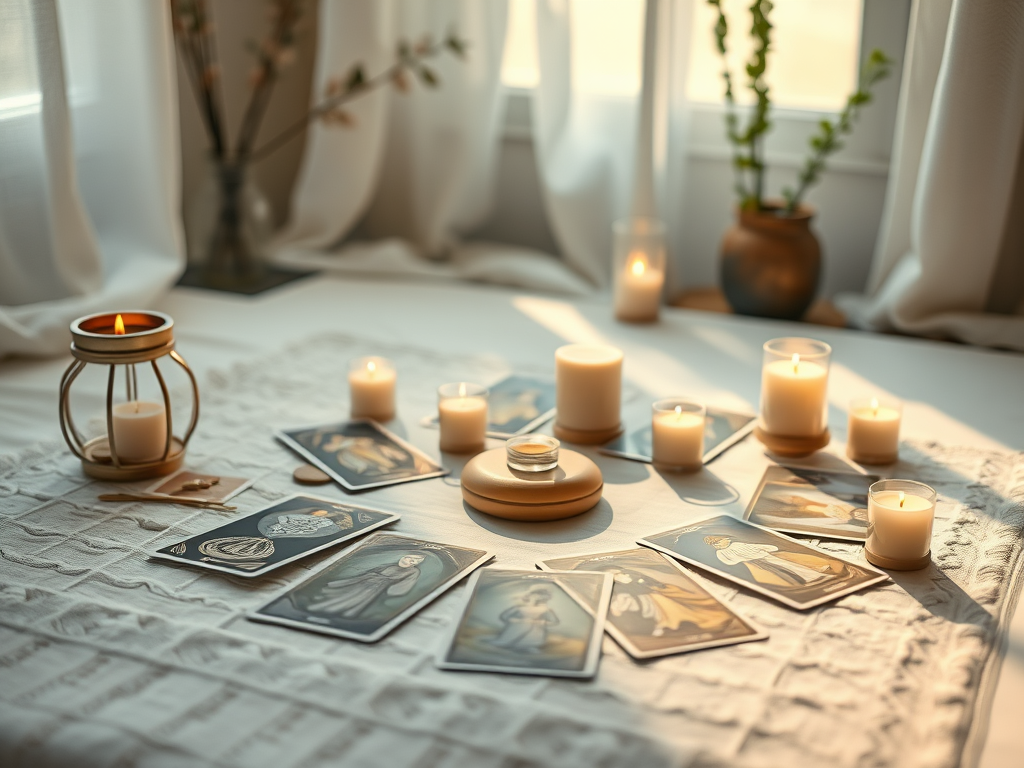
Tarot isn’t about fortune-telling (at least not for me). It’s not about predicting my romantic partners, or problems at work, or relationship rollercoasters. It’s about presence. It’s about discovery. About asking better questions, harder questions. Taking intentional time to understand the layers of what I am feeling, thinking, fearing, or hoping for.
Each card is like a mirror. Sometimes it reflects something obvious. Other times, it reveals something I didn’t know I was holding. Either way, it invites me to look, really look at my life, my choices, my inner world.
Starting Simple, Staying Curious
I started in tarot after the death of my brother. It was something simple to do daily where I could process the myriad emotions that myself and those around me were experiencing. I kept a journal, I kept notes. I wrote my brother letters about the literal meanings, and what I thought it meant in the grander scheme of changes in my life. I listened. I grieved. I embraced.
There was no pressure to interpret it “right,” just an invitation to reflect. Some days the card felt spot on. Other days, I would be left in confusion. But, I pulled cards, and I wrote letters. Over time, I learned which decks were fluffy and would give me answers that required a lot of emotional reflection, thought, and introspection. I learned which decks were like a punch to the gut and gave me no room for wriggling out of looking deeply at myself and my actions.
But, I’ve learned to notice the patterns. I noticed how often I pulled certain cards when I was struggling. I noticed how my own thoughts and emotions shaped the way I interpreted what I saw. I noticed the areas where I seemed to excel, and the shadow-work I am still working on.
The Magic of Symbols and Stories
Part of what drew me in from the start was imagery. The symbolism. The tiny stories packed into each card. The Lovers. The Tower. The Queen. Death and transformation. These archetypes aren’t just abstract—they’re deeply human. They speak to our cycles of growth, challenge, risk, and renewal. They speak to shared history, shared mythology, shared intellectual discovery.
Learning tarot has felt like learning a new language. Not a language of strict definitions, but one of emotion, intuition, intentionality. But, it requires me to be open. It requires a melding of shadow and light in ways that I previously have never explored.
The beauty of tarot is that it grows with you. It evolves as you do.
A Tool for Reflection, Not Rules
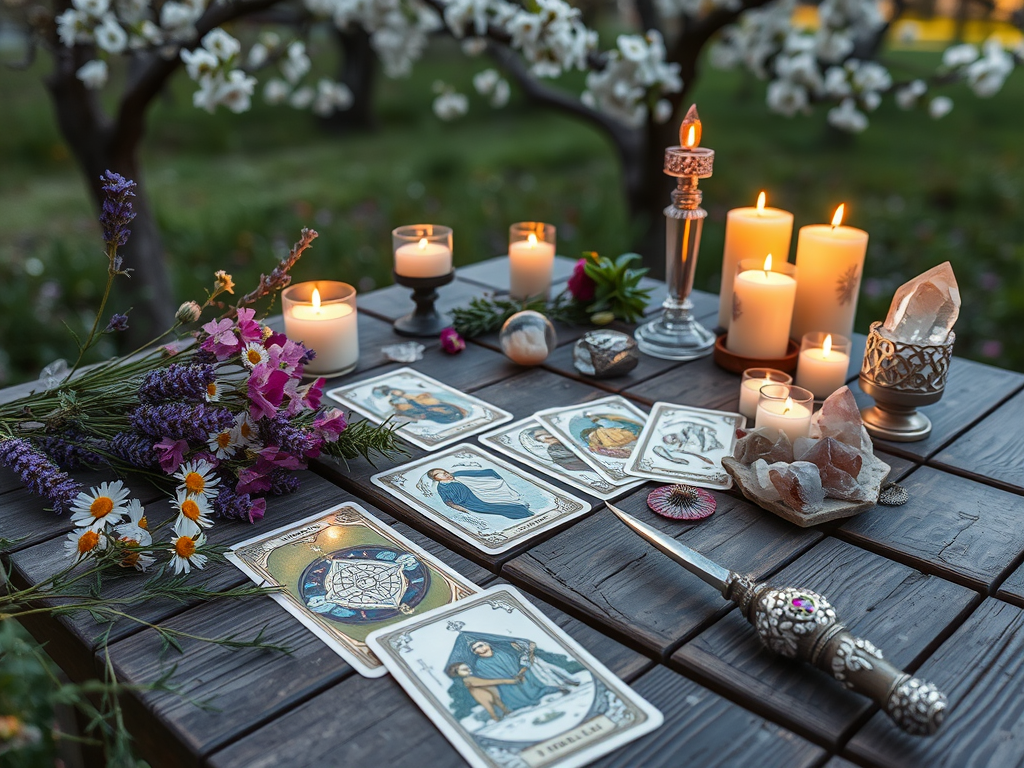
Tarot didn’t give me answers so much as it helped me ask better questions:
- What am I avoiding?
- Where am I being called to grow?
- What energy am I carrying today?
- What do I need to let go of?
It became a gentle check-in. A way to pause, breathe, and get honest with myself. It doesn’t replace therapy, or journaling, or meditation but it adds something unique to the mix. In fact, I enjoy the act of pulling a card and then keeping a tarot journal at the same time. I routinely use it in my own therapy as a way of self-reflecting and planning. It brings in a bit of wonder. A bit of ritual to my every day.
Final Thoughts: Follow the Tug
If you’ve ever felt drawn to tarot, even just a flicker of interest, I say follow that tug. Being an expert is not necessary. I also do not subscribe to the notion that your first deck must be gifted. I do subscribe to the thought that following your intuition in finding your first deck is an absolute must.
You don’t need to believe in fate. You just need a deck, an open mind, and a willingness to explore your inner landscape.
Because tarot isn’t about the cards knowing you. It’s about you learning to know yourself. And sometimes, that’s the most magical thing of all.
Blessed Be
 Toil & Tomes